Erik Wolf · 12 October 2026
Corporate Energy Strategies Adapt to Tariff Changes by Merging German Manufacturing Precision with Battery Storage Innovations for Onsite Installations
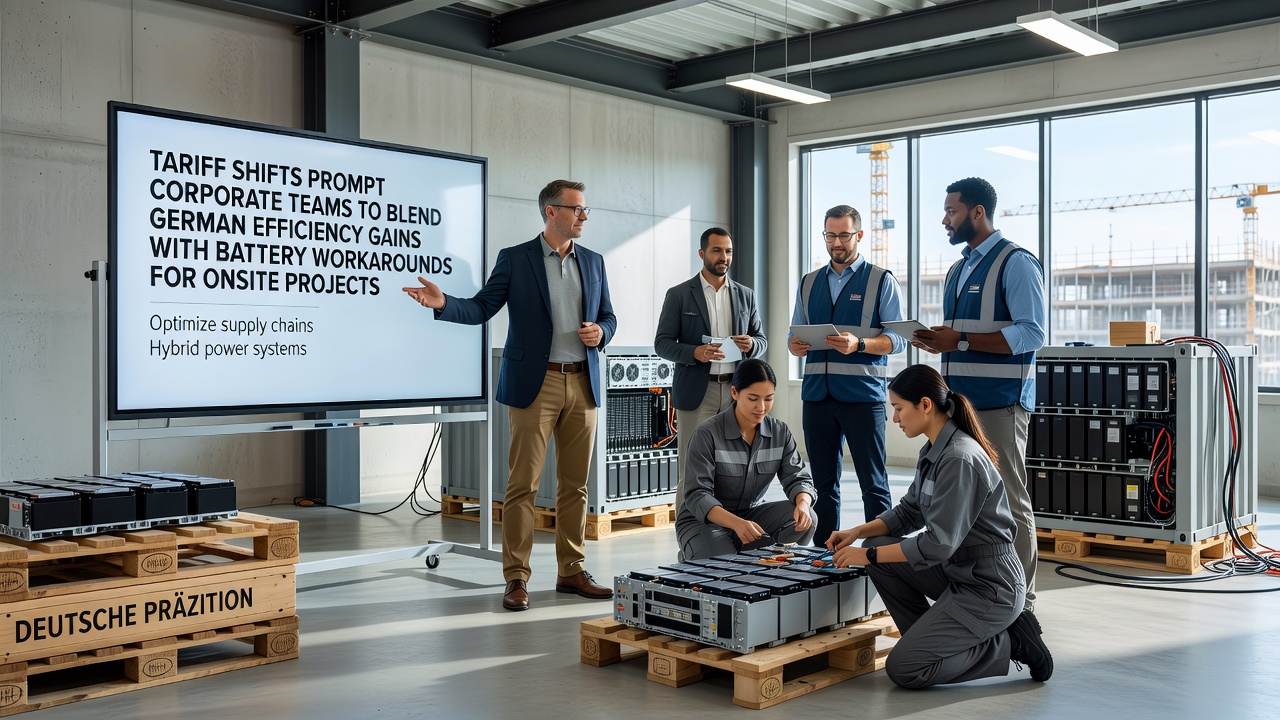
Corporate facilities across multiple sectors have adjusted their onsite energy approaches since tariff adjustments began affecting imported components in late 2025, and teams now combine streamlined German production methods with customized battery configurations to maintain project timelines and cost controls. Data from industry tracking services shows increased adoption of hybrid systems where German-engineered inverters and mounting structures pair with modular battery packs sourced from alternative suppliers, while project managers report reduced delays when they source core efficiency components from established European lines.
Tariff Adjustments Reshape Component Sourcing Patterns
Recent tariff modifications on solar modules and related electronics prompted procurement officers at manufacturing plants and commercial campuses to reevaluate supply chains, and analysts at the International Energy Agency noted that companies shifted toward suppliers with localized assembly capabilities to minimize duty exposure. German manufacturers maintained output consistency through lean production techniques that cut material waste by measurable percentages, yet teams still required supplemental storage solutions when primary panel shipments faced extended lead times.
One project in the automotive sector demonstrated how these adjustments played out when planners integrated German rail systems for array mounting alongside containerized battery units that stored excess daytime generation for evening operations. Figures from the US Energy Information Administration indicate that onsite storage additions rose notably during the first three quarters of 2026, and similar patterns appeared in Canadian industrial reports where facilities sought to offset import cost increases through internal efficiency gains.
German Production Methods Meet Battery Integration Needs
German engineering practices emphasize precise component tolerances and modular designs that allow faster onsite assembly, and corporate engineering groups applied these principles to battery enclosures by standardizing connection points across different cell chemistries. Research compiled by the Fraunhofer Institute for Solar Energy Systems outlined how such standardization reduced commissioning times by several weeks on comparable projects, while battery workarounds involved software-based charge management that optimized cycles without requiring full hardware replacements.
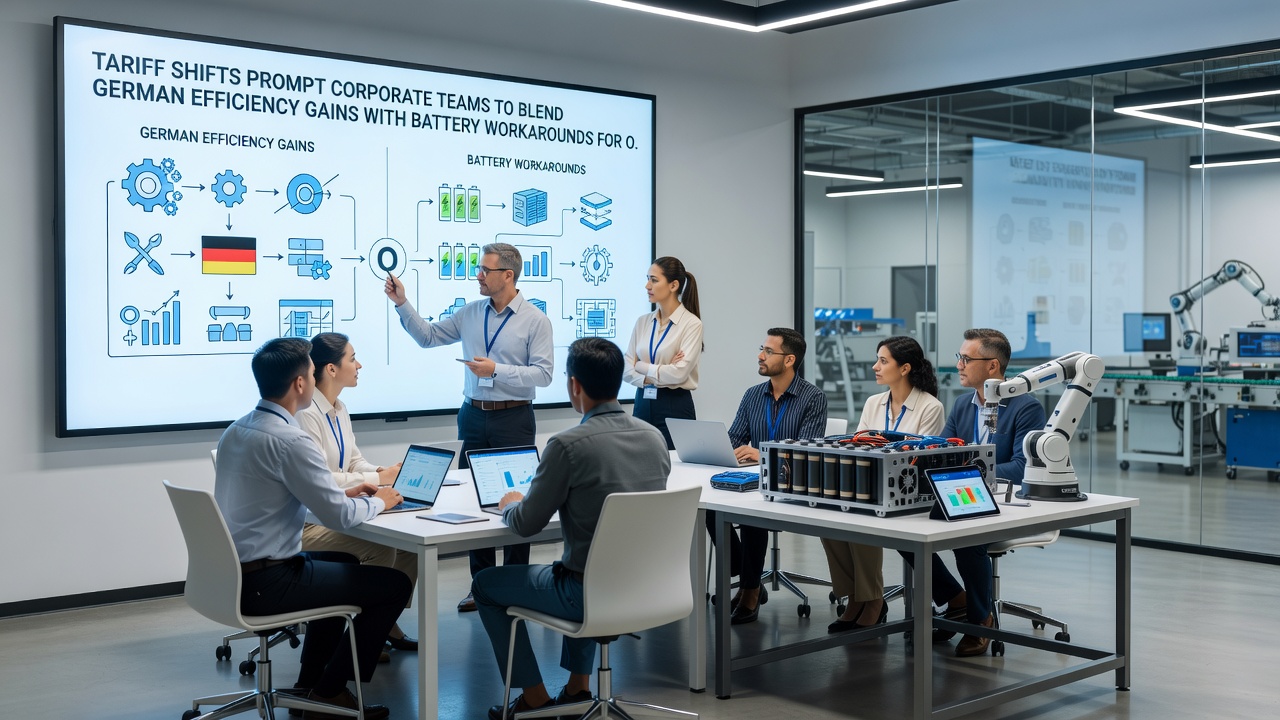
Observers tracking October 2026 project completions recorded multiple cases where facilities in the Midwest and Pacific regions deployed these blended configurations, and the setups delivered measurable load-shifting capabilities during peak demand periods. Australian energy network studies similarly highlighted how efficiency-focused mounting hardware from German lines complemented locally adapted battery racks, creating resilient onsite systems less vulnerable to single-source disruptions.
Project Execution Examples Across Regions
Facilities in the food processing industry adopted German-style workflow mapping to sequence battery installations between solar array phases, and this sequencing allowed crews to commission partial systems while awaiting final tariff clarifications on remaining imports. Data compiled by Natural Resources Canada shows parallel developments where industrial sites in Alberta and Ontario incorporated similar hybrid approaches, resulting in documented reductions in grid draw during high-rate hours.
European corporate campuses followed comparable paths, although they benefited from shorter transit distances for German-sourced parts, and project logs indicate that battery workaround strategies focused on scalable rack systems that accommodated future capacity additions without structural redesigns. The reality is that these combinations addressed both immediate tariff pressures and longer-term operational flexibility requirements across varied climate zones.
Technical Adjustments in Battery Configurations
Battery integrators modified standard enclosure designs to align with German inverter communication protocols, and this alignment enabled seamless data exchange between generation and storage components without custom middleware in many cases. Academic papers from technical universities in Denmark examined these protocol matches and found improved system stability metrics when standardized interfaces replaced proprietary ones, while field reports from UK-based engineering consultancies confirmed reduced troubleshooting hours during initial startup phases.
Corporate teams further refined thermal management strategies by applying German precision cooling layouts to battery banks, and the resulting configurations maintained cell temperatures within tighter ranges during summer operations. Evidence from industry monitoring platforms reveals that such refinements contributed to extended equipment service intervals across multiple completed installations through 2026.
Conclusion
Corporate responses to tariff shifts continue to evolve through deliberate combinations of German production efficiencies and adaptive battery solutions, and ongoing project data collection supports further refinement of these blended onsite strategies. Organizations that track component origins and integration standards position themselves to maintain operational continuity amid regulatory fluctuations.