Kai Peters · 31 August 2026
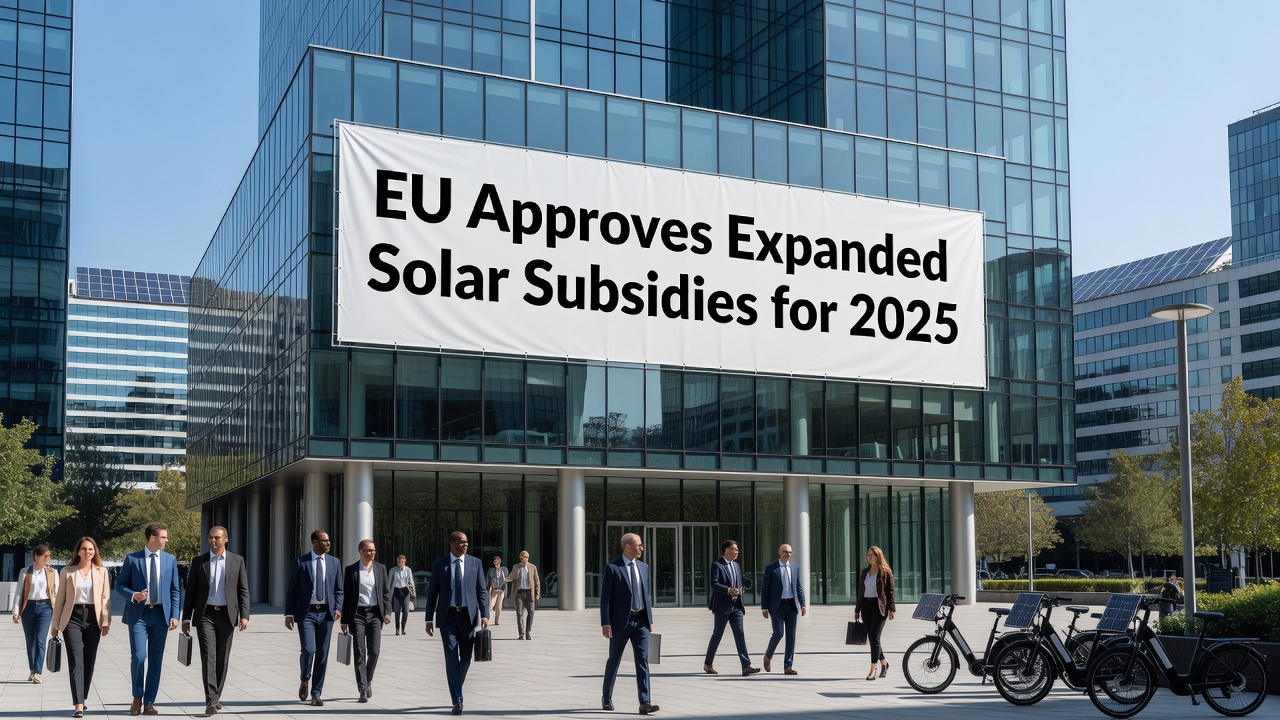
The European Union has approved an expanded subsidy program to support solar installations throughout 2025. The measure forms part of efforts to accelerate renewable energy adoption and achieve climate neutrality targets by mid-century.
Key Elements of the Subsidy Expansion
The revised framework increases direct grants covering up to 45 percent of eligible costs for residential rooftop systems and 35 percent for larger commercial arrays. Additional bonuses apply for projects incorporating battery storage or serving low-income households. Allocations will be distributed to member states according to population size and existing renewable capacity, with simplified application procedures designed to cut approval times by half. Rural communities and agricultural sites now qualify under broadened criteria previously limited to urban developments.
National authorities must submit detailed implementation plans by March 2025, ensuring funds reach approved projects within six months. Monitoring requirements include quarterly reporting on installed capacity and job creation metrics. Supply chain standards mandate that at least 60 percent of components originate from EU-based manufacturers to strengthen domestic industry resilience.
Projected Outcomes for Energy and Sustainability
Analysts forecast the program will add 28 gigawatts of new solar capacity across the bloc next year, creating an estimated 85,000 positions in installation, manufacturing and maintenance. Reduced reliance on imported natural gas is expected to improve energy security while lowering household electricity bills by an average of 12 percent in participating regions.
Environmental benefits include an anticipated annual reduction of 22 million tonnes of carbon dioxide emissions, supporting the 2030 target of at least 55 percent cuts from 1990 levels. Grid operators have been instructed to prioritize interconnection for subsidized projects and invest in flexibility measures to accommodate higher shares of variable renewable generation. The policy also encourages research into advanced photovoltaic materials, positioning Europe as a leader in sustainable technology development.